
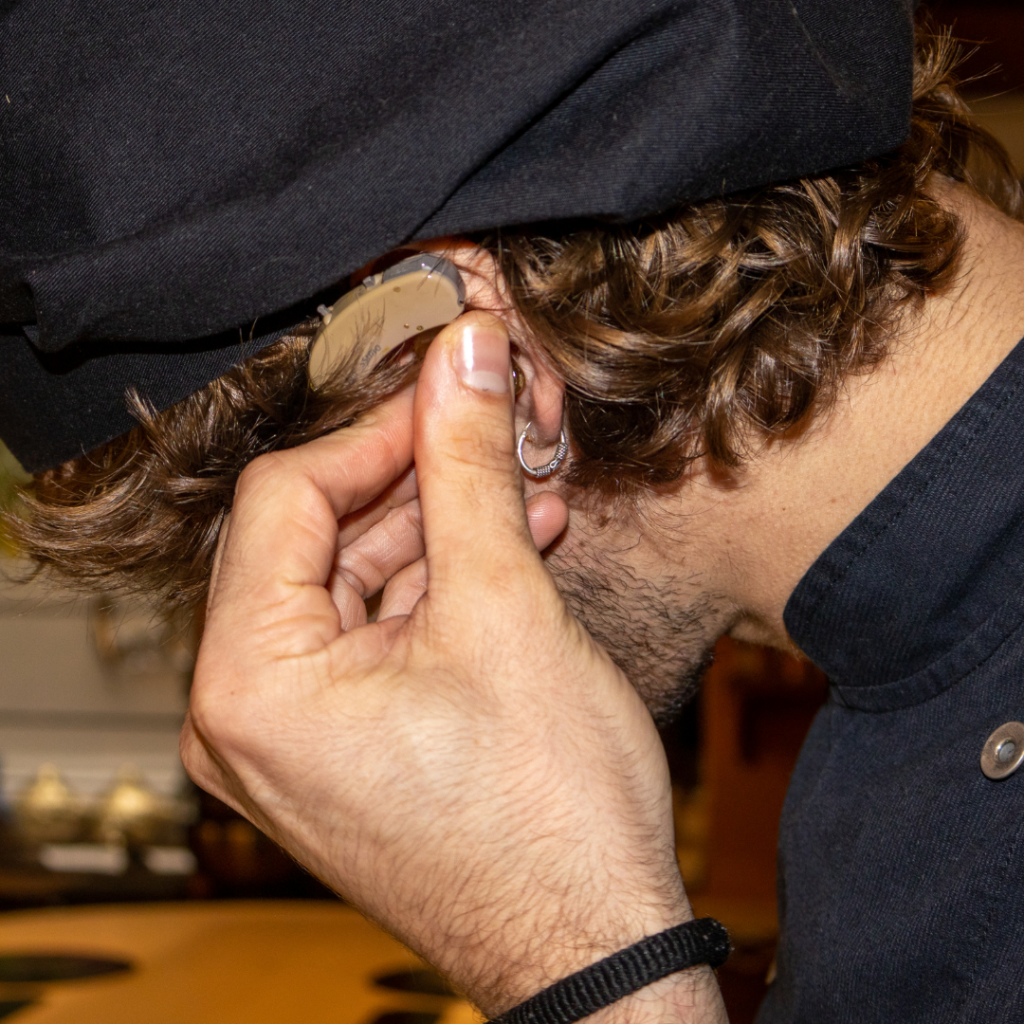
Keeping up with conversation at dinner gets much harder when the room is loud. Background noise competes with the voices you want to hear and makes it tough to stay focused. At Active Hearing Health, our Doctors of Audiology look closely at how you hear in real-life situations to find the cause of the problem. Once we understand what is making listening difficult, we build a plan that fits your needs.
Why Restaurants Are So Hard on Your Hearing
In a quiet room, the voice of the person talking to you stands out clearly above other sounds. Restaurants are the opposite. Several conversations, music, kitchen clatter and echoes all mix with speech. Your ears and brain have to work much harder to pick out the one voice you are trying to follow.
This kind of struggle is often a sign of high-frequency hearing loss, noise-related damage to the inner ear or trouble with how the brain processes sound. Fatigue, dim lighting, distance from the speaker and divided attention can make it even harder. Some people score normally on a standard hearing test but still have real trouble understanding speech in noise. If noisy places are a problem for you, it’s worth a professional evaluation, even if one-on-one conversations feel fine.
How We Evaluate Hearing Difficulty in Noise
Your visit starts with a detailed conversation about the situations that give you trouble, along with your history of noise exposure, tinnitus, medications and any family history of hearing loss.
A standard hearing test measures the softest sounds you can hear across a range of pitches. High-frequency hearing loss often shows up as hearing that gets worse as the pitch goes higher. Other tests may check how your eardrum and middle ear are working and how well you understand words.
Since a quiet test booth is very different from a crowded dining room, testing how well you understand speech with background noise can add helpful information. Together, these results show whether your difficulty comes from hearing sounds, understanding words clearly, filtering out noise or a mix of these.
How Auditory Processing Problems Affect Adults
An auditory processing disorder affects how the brain makes sense of sound. Your ears may pick up soft sounds normally, yet your brain may struggle to filter out competing noise, tell similar speech sounds apart or keep up with fast conversation. Our whole-person evaluations consider auditory processing along with your hearing, and we can guide you toward further testing or other specialists when needed.
Simple Ways to Hear Better When You Dine Out
A few small changes can make speech easier to hear and give you better visual cues. Before you go, choose restaurants known for being quieter, or plan meals during slower hours. Places with booths, carpeting, curtains and sound-absorbing panels are usually easier to hear in than open rooms with hard surfaces.
Once you arrive:
- Ask for a table away from the kitchen, bar, speakers and large groups.
- Sit with your back to a wall to cut down on noise from behind you.
- Face the people you’re talking with, in good lighting, so you can see their faces and lips.
- Sit close to your companions.
- Turn your better ear toward the person you most want to hear.
- Ask others to say things a different way instead of repeating the same words.
- Double-check important details rather than guessing.
- Step outside or into a quiet hallway for a short break if you feel worn out.
- Ask friends to speak clearly and at a steady pace. Shouting distorts speech and rarely helps.
Hearing Technology for Noisy Places
The right technology depends on the cause of your difficulty, where you need help and whether you have hearing loss. Prescription hearing aids fitted by an audiologist use directional microphones, noise reduction and restaurant settings to focus on voices in front of you while softening background sound. It helps to keep realistic expectations, since no hearing aid can remove all background voices.
A remote microphone can make an even bigger difference. It is placed near the person speaking, or worn by them, and sends their voice straight to your compatible hearing aids. This cuts down the effect of distance and room noise.
Other helpful options include:
- Table microphones for small group dinners
- Telecoils and hearing loop systems in venues that have them
- Live captioning and speech-to-text apps on your phone
- Wireless earbuds with built-in hearing features
- Sound level apps and guides to quieter restaurants
Our team can help you compare these options, check that they work with your devices and show you how to get the most out of them.
When to See a Professional
A thorough evaluation looks well beyond how you hear in a quiet room. We consider the places, people and noise levels that cause you trouble, and choose tests that match. Any sudden, one-sided or quickly worsening hearing loss should be checked by an ear, nose and throat doctor right away.
Schedule a Hearing Evaluation in Omaha
If restaurant conversations leave you guessing, pulling back or feeling exhausted, it’s time for a comprehensive hearing evaluation. Our Doctors of Audiology can help with expert hearing aid fittings, assistive technology and personalized care.
Call Active Hearing Health at (402) 318-7863 or schedule an appointment to take the first step toward easier conversations at mealtime.
This information is for educational purposes only and is not medical advice. For personalized care, please schedule an appointment.